Finding the right wiper blade supplier is one of the most consequential decisions an automotive aftermarket distributor can make. Choose well, and you get consistent quality, reliable lead times, and healthy margins. Choose poorly, and you inherit warranty claims, delayed containers, and a damaged reputation with your own customers.
With over 20 years of manufacturing experience and 50 million units shipped to 60+ countries, Zhejiang Yike Auto Parts Co., Ltd. knows what separates great suppliers from mediocre ones — from both sides of the table. This guide walks you through the exact checklist we recommend every buyer use before signing a supply agreement.
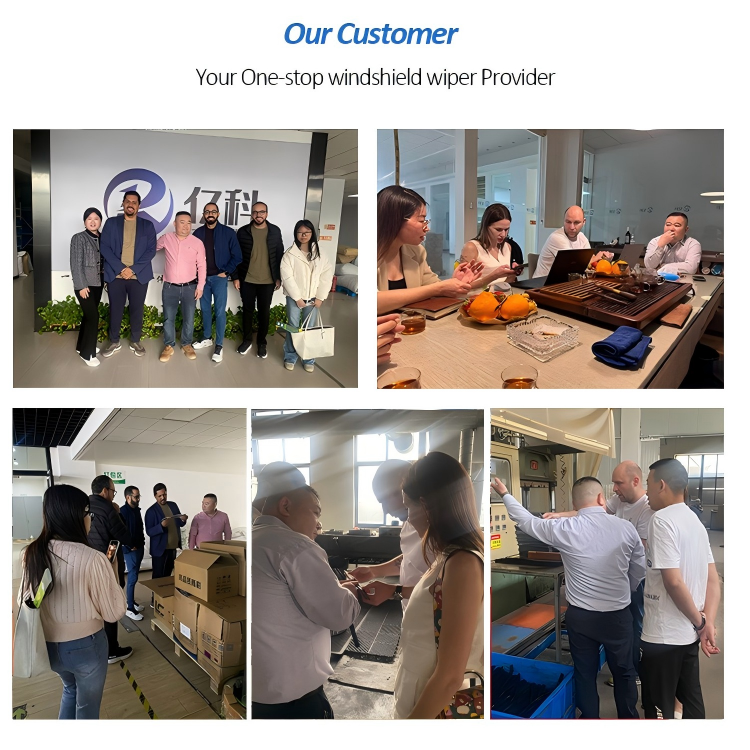
The Cost of Choosing Wrong
Before diving into the checklist, understand the stakes. A single bad container of wiper blades can cost a distributor:
- 15–25% of order value in returns and replacement shipping
- 6–12 months of customer trust erosion in your local market
- $3,000–10,000+ in expedited freight when the replacement batch has to fly instead of sail
The evaluation process below is designed to prevent those scenarios.
Step 1: Verify Manufacturing Credentials (Not Just Certificates)
The IATF 16949 Test
The single strongest signal of a reliable automotive parts manufacturer is IATF 16949:2016 certification. Unlike generic ISO 9001, IATF 16949 is built specifically for automotive supply chains and requires:
- Full batch traceability (rubber lot → machine → operator → shipment)
- Defect prevention systems rather than inspection-only approaches
- Annual third-party audits with no “pass for payment” shortcuts
Red flag: A supplier who only shows ISO 9001 when selling automotive wiper blades is likely serving non-automotive customers and applying looser tolerances.
Ask for: A copy of the certificate, the certification body, and the certificate number — then verify it with the certification body directly.
Step 2: Audit the Production Process
A factory tour (virtual or in-person) tells you more than any certificate. Focus on:
| Process Stage | What to Check |
|---|---|
| Rubber compounding | Does the factory mix its own compound or buy pre-made strips? In-house compounding = quality control over raw material |
| Extrusion line | Tolerances on strip width and edge geometry |
| Assembly | Manual or automated? Automated lines produce consistent connector torque |
| Testing lab | Does it have salt spray chambers, UV aging equipment, and -40°C cold rooms on site? |
| QC documentation | Ask to see a batch test report from last month |
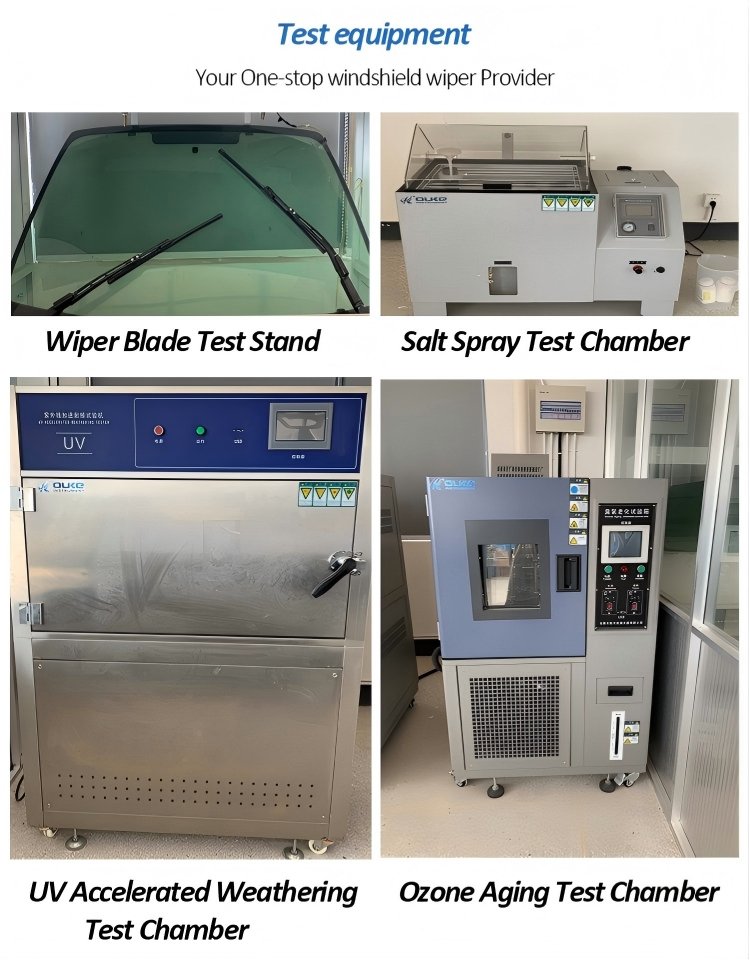
A specialist wiper factory — one that produces nothing else — will almost always outperform a generalist factory that makes wipers alongside other rubber goods.
Step 3: Evaluate Product Range and Adapter Coverage
Your supplier’s product depth determines how many SKUs you must stock. Key questions:
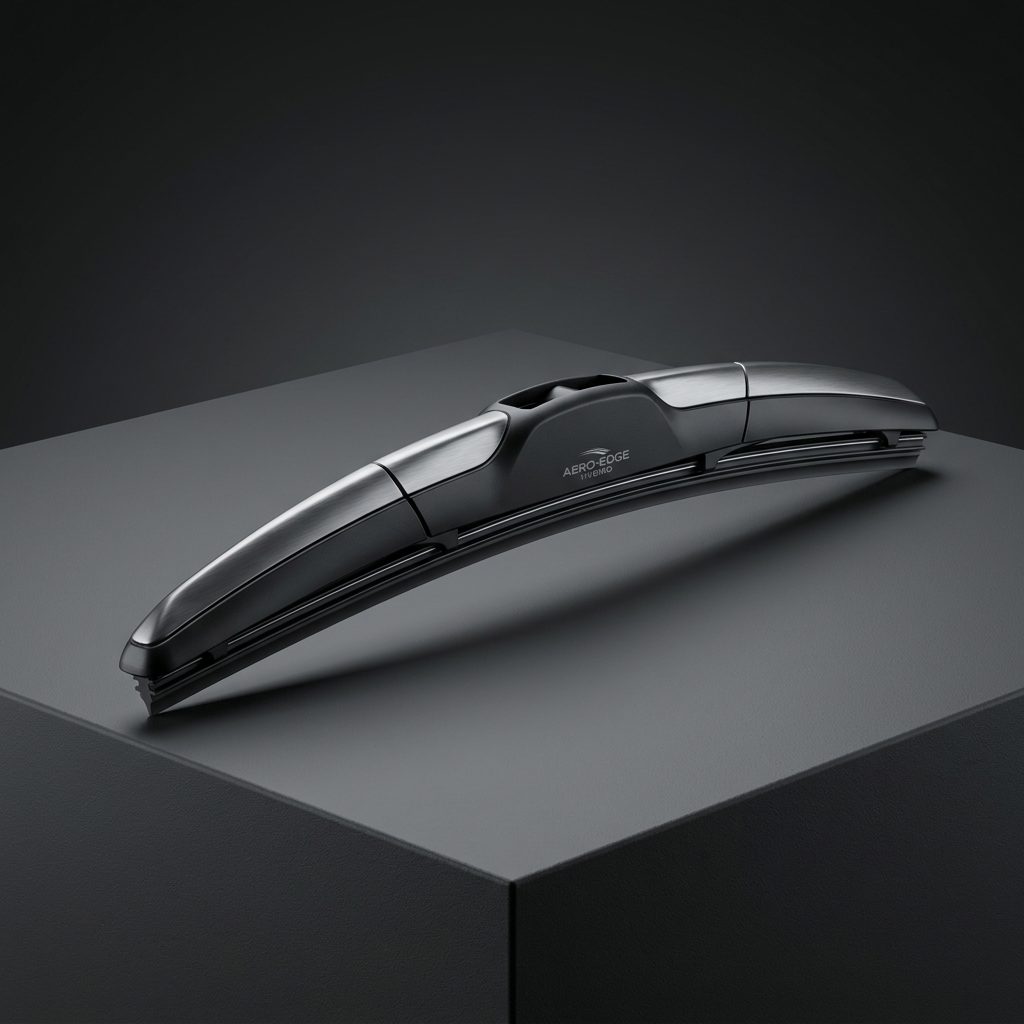
- Do they offer flat (beam), hybrid, and traditional bracket blades? You need all three to serve a mixed vehicle fleet.
- How many adapter types ship with each blade? A 7+ multi-adapter system means one SKU covers 95%+ of vehicles, slashing your inventory costs.
- Are silicon rubber refills available? Refills are a high-margin, repeat-purchase product that builds customer loyalty.
Browse YIKE’s full wiper blade product lines →
Step 4: Test Material Quality with Real Parameters
Request samples and test them against objective parameters, not impressions:
| Test | Standard | Pass Threshold |
|---|---|---|
| Wipe quality | SAE J903 | Streak-free after 1.5 million cycles |
| Noise level | Acoustic measurement | ≤ 35 dB |
| Cold flexibility | -40°C chamber | No cracking, full flexibility |
| UV aging | Accelerated weathering | 200+ hours without surface degradation |
| Salt spray | ASTM B117 | 500+ hours without corrosion |
Pro tip: Test samples in your own market’s conditions. A blade that performs in Shanghai’s mild climate may fail in a Canadian winter or Dubai summer. Ask the supplier if they adjust rubber formulations by destination market.
Step 5: Assess OEM/ODM Capability
If you plan to build a private label (and you should — margins are 30–50% higher than reselling unbranded goods), the supplier must handle:
- Custom packaging: Retail-ready blister packs, branded boxes, inner cartons
- Branding options: Logo printing, laser etching on the frame, label design
- Documentation: Technical data sheets, certificates of origin, Form E for ASEAN
- Design support: 3D CAD development for custom connector configurations
Confirm the MOQ for custom branding (typically 2,000–5,000 pieces per SKU) and the artwork approval cycle before committing.
Step 6: Stress-Test Communication and Lead Times
A supplier’s sales team is your supply chain’s front line. Evaluate:
- Quote speed: A professional factory responds with a formal quotation within 24 hours
- Sample turnaround: Samples shipped via DHL/FedEx within 3–5 days
- Production lead time: Standard mass production is 25–35 days after deposit and artwork approval
- Honesty under pressure: Ask a difficult question (e.g., “can you do 50% faster delivery?”). A trustworthy supplier tells you the real constraints instead of promising the impossible
Step 7: Compare Total Landed Cost, Not Unit Price
The lowest unit price rarely wins once you calculate total landed cost:
Landed Cost = Unit Price + Sea Freight + Customs Duties + Warehousing + Defect/Return AllowanceA blade priced 10% lower but with a 3% higher defect rate costs you more in the long run. Request the supplier’s defect rate data and warranty policy — IATF-certified factories typically operate below 0.5% field defect rates.
Step 8: Plan the Risk Mitigation
Even the best supplier needs a backup plan. Before your first container ships:
- Request a pre-shipment inspection (SGS or third-party) on the first 2–3 batches
- Negotiate payment terms — T/T with deposit is standard; consider a Letter of Credit for larger orders
- Confirm warranty terms in writing — what happens if a batch fails testing at your port?
- Keep 4–6 weeks of safety stock during the first year
Why YIKE Makes the Shortlist
We built this guide from the standards we hold ourselves to every day:
- IATF 16949:2016 certified — verified, not just claimed
- 20+ years specializing exclusively in wiper blades
- 50M+ units produced, 60+ countries served
- In-house compounding with climate-specific formulas (-40°C to desert UV)
- 7+ multi-adapter system on hybrid and flat lines
- Full OEM/ODM turnkey — branding, packaging, documentation
- < 0.5% field defect rate with full batch traceability
If you’re evaluating suppliers, we’re happy to be part of your comparison — and we’ll be honest about where we fit and where we don’t.
The Bottom Line
Choose a supplier the way you’d choose a business partner: verify credentials, audit processes, test with objective parameters, and plan for risk. The eight steps above take a few weeks of due diligence — and save years of supply chain headaches.
Get a Free Quote & Factory Audit Documentation →
FAQ
Q: How many samples should I order before committing?
A: At least 10–20 units across your target SKUs, plus one unit per adapter type to verify fitment on local vehicles.
Q: What’s the typical MOQ for private label wiper blades?
A: Usually 2,000–5,000 pieces per SKU depending on packaging complexity. Standard (non-branded) orders can start lower.
Q: How long does it take to switch suppliers?
A: From first contact to first container typically takes 6–10 weeks: 1–2 weeks for samples and negotiation, 25–35 days production, 3–4 weeks sea freight.
Q: Can I verify the IATF 16949 certificate?
A: Yes — we provide the certificate number and certification body details for direct verification. Transparency is part of why 60+ countries trust YIKE.
For wholesale inquiries:
Email: larissa@ytwiper.com
WhatsApp: +86 15356361113
Web: https://yikewiper.com