Returns are rarely caused by the rubber alone. In wholesale wiper blade programs, the more common failure is a fitment decision made too early: the wrong arm interface, an incomplete vehicle list, or a sample approved without checking the installation process. A low unit price does not compensate for freight, handling, customer service, and lost shelf space caused by avoidable returns.
The practical answer is simple: treat fitment as a verification process, not a line in a quotation. Confirm the vehicle application, identify the arm connection, approve a physical sample, and keep a traceable record before releasing a production order.
1. Start with the vehicle application, not the blade length
A buyer may send a length such as 24 inches and 18 inches. That is useful, but it is not enough to define a sellable SKU. Two blades with the same length can use different arm interfaces, and the same vehicle platform may change its connection design across model years or trim levels.
Ask for the following information before matching a product:
- Vehicle make, model, model year, and market
- Driver-side and passenger-side lengths
- Front or rear application
- Arm connection type and a clear photo of the arm end
- Left-hand-drive or right-hand-drive market where relevant
- Whether the replacement is for a single model or a mixed distributor assortment
For fleet and distributor orders, request the buyer’s application list in a spreadsheet. Add a column for the source of each fitment: vehicle catalog, buyer sample, OE reference, or physical verification. This makes uncertain applications visible before they become inventory.
2. Why arm connection errors create expensive returns
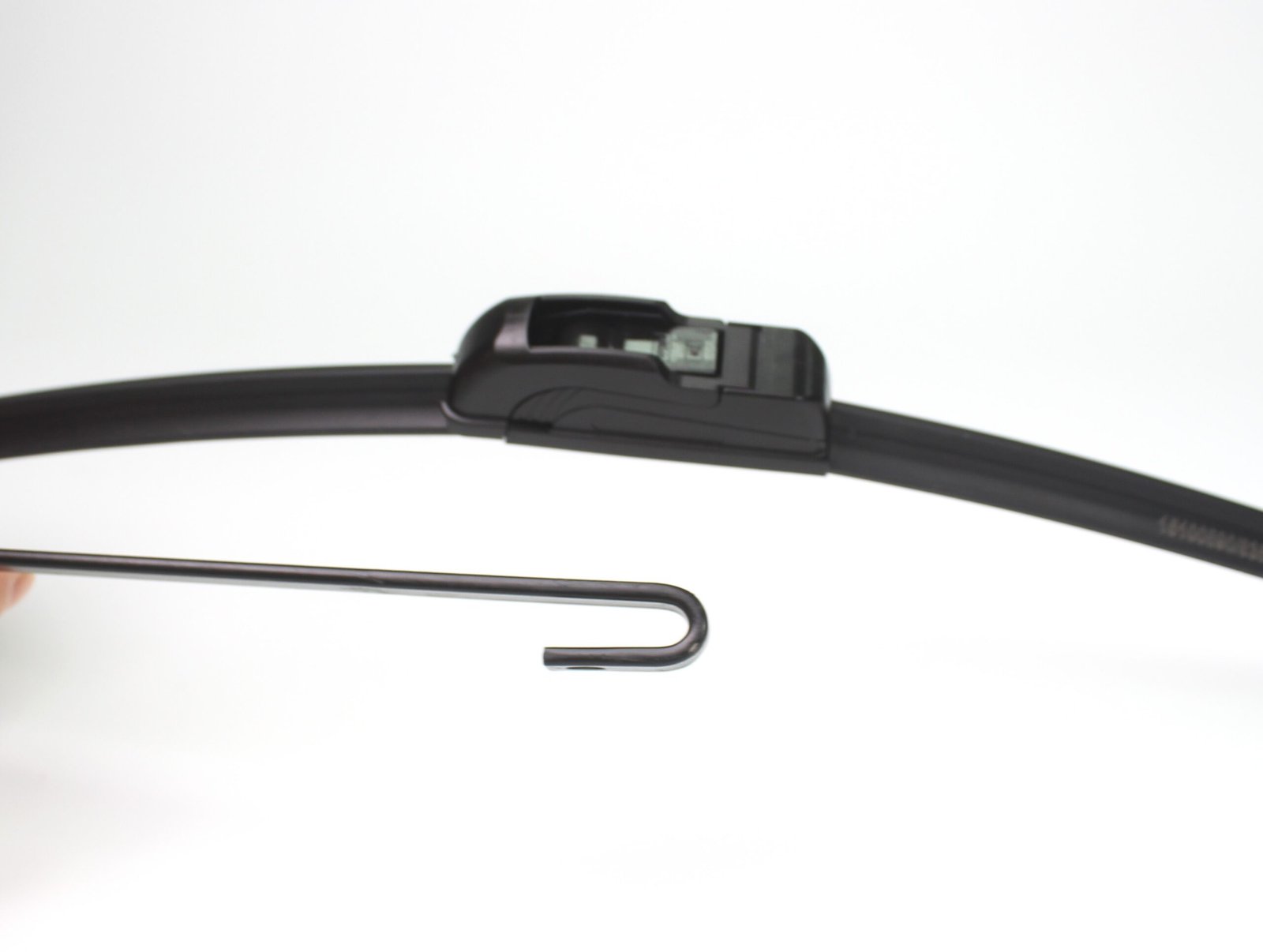
The connection is the mechanical hand-off between the vehicle arm and the wiper blade. A blade can have the correct length and still fail if the adapter does not lock, sits at the wrong height, or allows excessive lateral movement.
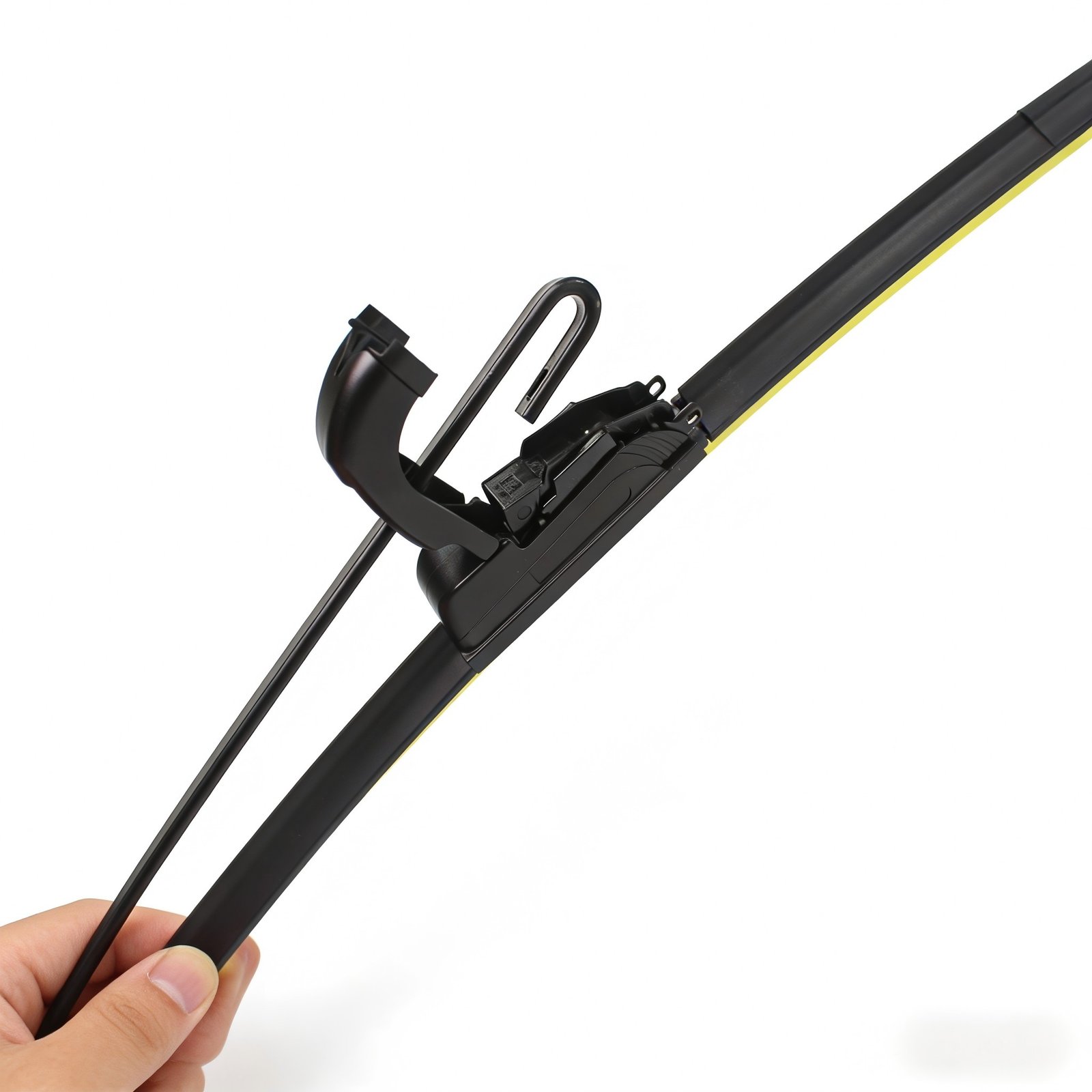
Common connection families include J-Hook, Push Button, Pinch Tab, Side Pin, and Top Lock designs. Names can vary by market and catalog, so a photograph or sample is safer than relying on terminology alone.
| Checkpoint | What the buyer should verify | Typical return risk if skipped |
|---|---|---|
| Arm interface | The actual arm-end shape and locking method | Blade cannot be installed or removed correctly |
| Adapter engagement | Positive lock with no abnormal play | Blade releases, tilts, or rattles |
| Center-line height | Blade sits at the intended height on the glass | Uneven pressure or poor wipe at the edge |
| Length and curvature | Driver/passenger position, length, and windshield curve | Streaking, overhang, or missed wipe area |
| Clearance | Arm, hood, cowl, and washer-nozzle clearance | Noise, interference, or damage during operation |
| Installation instruction | Correct adapter selection and release steps | Customer forces the part or returns a usable item |
A supplier’s universal adapter may cover several arm types, but “universal” should never mean “no verification required.” Each included clip still needs a clear application rule and a controlled installation test.
3. Use photos to eliminate ambiguity
A fitment photo set does not need to be complicated. Ask the buyer for three views: the complete wiper arm, a close-up of the arm end, and the existing blade removed from the vehicle. Include a ruler or a known reference only when the arm geometry is difficult to judge.
On the supplier side, keep a photo record of the proposed adapter installed on the buyer’s sample arm. Mark the locking point and show the release direction. This is more useful than sending a generic catalog page with several similar clips.
When a buyer cannot provide a vehicle sample, use a staged approval:
- Confirm the application data and identify assumptions.
- Send the proposed adapter drawing or clear product photo.
- Ship a small sample set before mass production.
- Ask the buyer to test installation, removal, wipe coverage, noise, and clearance.
- Freeze the approved combination in the purchase order and packing list.
4. Approve samples under real installation conditions
A sample that fits on a workbench may still fail on the vehicle. The glass curvature, arm spring force, cowl clearance, and installation angle all affect performance. The buyer’s sample approval should therefore record more than “OK.”
Use a short approval sheet with these fields:
- Vehicle and model year
- Blade position and length
- Adapter name or internal reference
- Installation result: pass / adjustment required / fail
- Lock confirmation: audible or visible positive engagement
- Manual movement check: no abnormal looseness
- Wipe test: no obvious skipped area under the test condition
- Noise or vibration observation
- Photos before and after installation
- Approver, date, and revision number
Do not change the adapter after approval without reopening the fitment record. A small tooling or material change can alter the locking feel even when the external appearance looks similar.
5. Separate fitment defects from product-quality defects
Returns data becomes useful only when the reason is classified correctly. “Customer does not like it” is not a root cause. Divide the cases into fitment, installation, packaging, product quality, and expectation-setting categories.
| Return category | Evidence to collect | Corrective action |
|---|---|---|
| Wrong application | Vehicle data, arm photo, SKU label | Improve catalog mapping and pre-order questions |
| Adapter mismatch | Installation photos and lock position | Revise adapter selection or sample approval |
| Installation misunderstanding | Customer video or support transcript | Improve instructions and QR guidance |
| Wipe performance complaint | Glass condition, test weather, photos | Review rubber, pressure, curvature, and test method |
| Transit or packaging damage | Carton photos and packing record | Strengthen inner protection and carton control |
This classification also protects a supplier relationship. A fitment mistake and a rubber extrusion defect require different owners, different evidence, and different corrective actions.
6. Build a distributor assortment that is easy to sell
For a mixed assortment, avoid selecting products only by the highest vehicle count shown in a catalog. A smaller, well-documented range can outperform a larger range with unclear adapter instructions.
Prioritize SKUs that have:
- A clearly identified connection type
- Stable application data and revision control
- A sample that the distributor can physically approve
- Packaging that identifies the adapter contents
- Installation instructions in the target market’s language
- A replenishment plan for fast-moving vehicle applications
For a new program, start with the buyer’s top applications and add long-tail models after the first sales cycle. This reduces dead stock and gives the distributor real return data before expanding the range.
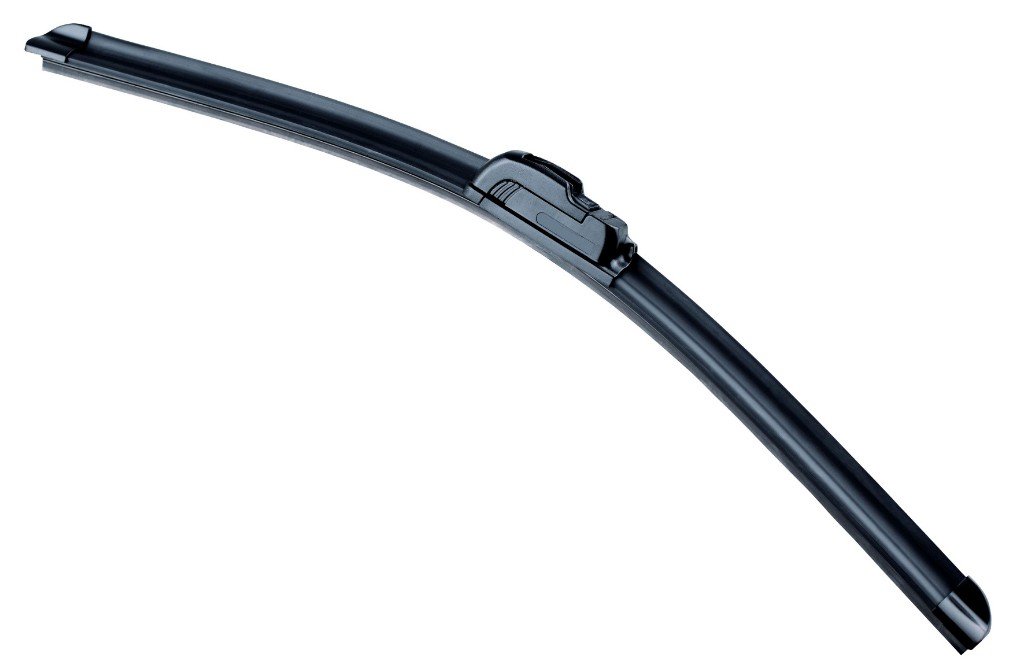
You can compare hybrid wiper blades and flat wiper blades by application, adapter system, and target market rather than treating the blade style as a substitute for fitment verification.
7. A practical pre-shipment checklist
Before releasing a bulk order, the buyer and supplier should jointly confirm:
- The latest vehicle and application file is attached to the order.
- Driver and passenger positions are identified separately.
- Adapter type and included clips match the approved sample.
- The packaging label identifies the correct application or adapter instruction.
- A first-piece or pre-shipment photo record is available.
- Carton markings and mixed-SKU separation are clear.
- Any unresolved application is marked as pending instead of being treated as approved.
This checklist takes less time than handling a container of returns. It also gives the distributor a clear explanation when a customer asks why a certain adapter is included.
Frequently asked questions
Can a universal wiper blade eliminate fitment returns?
No. A multi-adapter system can reduce SKU complexity, but each adapter and vehicle application still needs to be identified and tested.
Is blade length enough to confirm compatibility?
No. Length is one input. The arm connection, curvature, clearance, position, and model-year application also matter.
What should a buyer send for a fitment quotation?
Send the vehicle make, model, year, market, blade lengths, arm-end photos, target quantity, and whether the order is a single application or a mixed assortment.
Should samples be tested before the purchase order?
For new applications, private-label programs, or mixed assortments, physical sample approval is the safer process. Keep the approval record with the order documents.
How can suppliers reduce installation-related returns?
Use clear adapter labels, simple release instructions, application photos, and a support process that asks for evidence before classifying a product as defective.
Request a fitment review
If you are building a distributor assortment or replacing a high-return SKU range, send your vehicle list and arm photos for a structured fitment review. We can help organize the application file, identify open questions, and prepare a sample-approval checklist before production.